What happened at the Cybercab launch event?
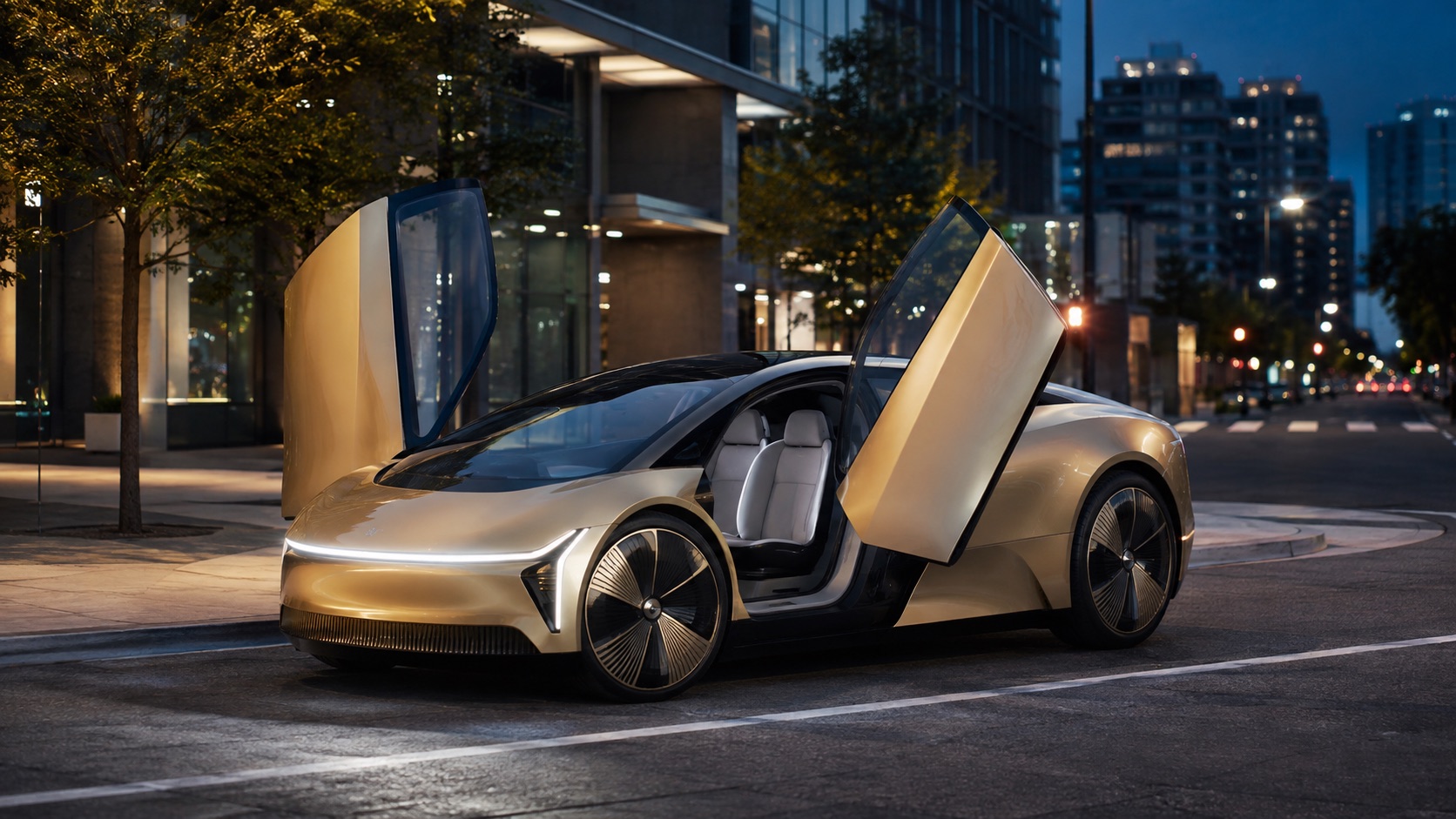
Tesla began offering rides in its purpose-built Cybercab in Austin on September 3, 2026, nearly two years after the vehicle’s “We, Robot” unveiling. The launch put paying passengers into a gold, two-seat vehicle with no steering wheel or pedals. Customers use Tesla’s Robotaxi app, much as they would request a ride from an established ride-hailing service. The initial rollout is limited rather than nationwide, and conventional Model Y vehicles still make up much of Tesla’s robotaxi operation.
The event mattered because it converted a long-promised concept into a commercial service. It did not, however, settle every engineering or legal question. Reporting immediately after the launch said only dozens of Cybercabs were registered in Texas, while Tesla had prepared manufacturing capacity for far more. A small fleet can demonstrate the customer experience; it cannot yet prove reliability, unit economics or the ability to operate in every kind of weather and traffic.
Cybercab and robotaxi features
The Cybercab’s defining feature is what it omits: there are no conventional driver controls. The coupe-style body has two seats, large upward-opening doors and a cabin organized around passengers rather than a driver. Tesla’s approach relies primarily on cameras and neural-network software rather than the large visible lidar arrays used by some competitors. That can reduce hardware complexity, but it also makes software performance and remote operational support especially important.
For riders, the anticipated experience is app-based booking, automated unlocking, route confirmation and a screen-led trip. For fleet operators, the promised appeal is lower operating cost, high utilization and simplified production. Tesla said in its second-quarter 2026 update that Cybercab production had started and described the vehicle as the workhorse of its Robotaxi fleet. Actual service availability, accessibility features, cleaning, charging and emergency procedures can vary as the network develops.
How much does a Tesla robotaxi cost?
There are two different price questions. The first is the cost of a ride, which Tesla can change by city, time and operating conditions in the app. The second is whether consumers will be able to buy a Cybercab. At the 2024 unveiling, Elon Musk said the vehicle would eventually cost less than $30,000. That was a target, not a final retail price, and Tesla has not published a standard consumer order page with a binding price, configuration list and delivery date.
The economics also depend on insurance, charging, maintenance, cleaning, regulatory compliance and vehicle utilization. A low factory cost does not guarantee a low all-in ride price. Likewise, an owner who someday places a car on the network would be operating a small transportation business, not collecting risk-free passive income. Until Tesla publishes a purchase agreement and detailed network terms, under-$30,000 should be treated as an ambition.
Safety review and regulatory questions
The day after the Austin launch, the National Highway Traffic Safety Administration opened an inquiry into Tesla’s self-certification of the steering-wheel-free vehicle, according to the Associated Press and Reuters. In the United States, automakers generally certify that their vehicles comply with federal safety standards, but a design without traditional controls puts unusual attention on how those standards are interpreted. Texas also has its own autonomous-vehicle authorization framework.
An investigation is not a finding that a vehicle is unsafe. It means regulators are examining compliance and seeking information. The launch should therefore be viewed as both a product milestone and the start of a new phase of public scrutiny. City incident data, disengagement or intervention practices, crash reports and fleet size will be more informative over time than a tightly managed launch-night ride.
Tesla shares after Cybercab events
Tesla shares fell nearly 6% on September 4, closing around $354.08, after the launch excitement and news of the federal inquiry. That echoed the pattern after the October 2024 unveiling, when investors focused on missing details about timing, approvals and economics. One trading day cannot establish the value of the robotaxi strategy, but it shows how much expectation is already embedded in Tesla’s story.
Frequently asked questions now have short answers: Cybercab service has begun in Austin; nationwide availability has not. Production has started; broad consumer sales have not. A sub-$30,000 purchase price remains unconfirmed. The car has no wheel or pedals; regulators are reviewing how it was certified. The next meaningful evidence will be safe paid miles, fleet expansion and transparent operating economics.