A deliberately smaller store
Aldi’s format is a set of trade-offs made on purpose. A limited assortment, mostly exclusive brands, boxes left on shelves, a cart deposit and a checkout built for speed all reduce operating cost, and the savings appear in price rather than in service. Recognizing that the constraints are intentional makes a first visit far less confusing than treating it as a conventional supermarket that happens to be missing things.
It also changes how you shop. With one or two options per category instead of a dozen, brand comparison stops being useful and unit price and specification take over. And because a rotating set of limited-time products sits alongside the staples, the main risk is not overpaying but buying things you did not come for. The sections below cover the mechanics, the private-label comparison, the weekly finds and how returns actually work.
The cart deposit, the layout and the checkout
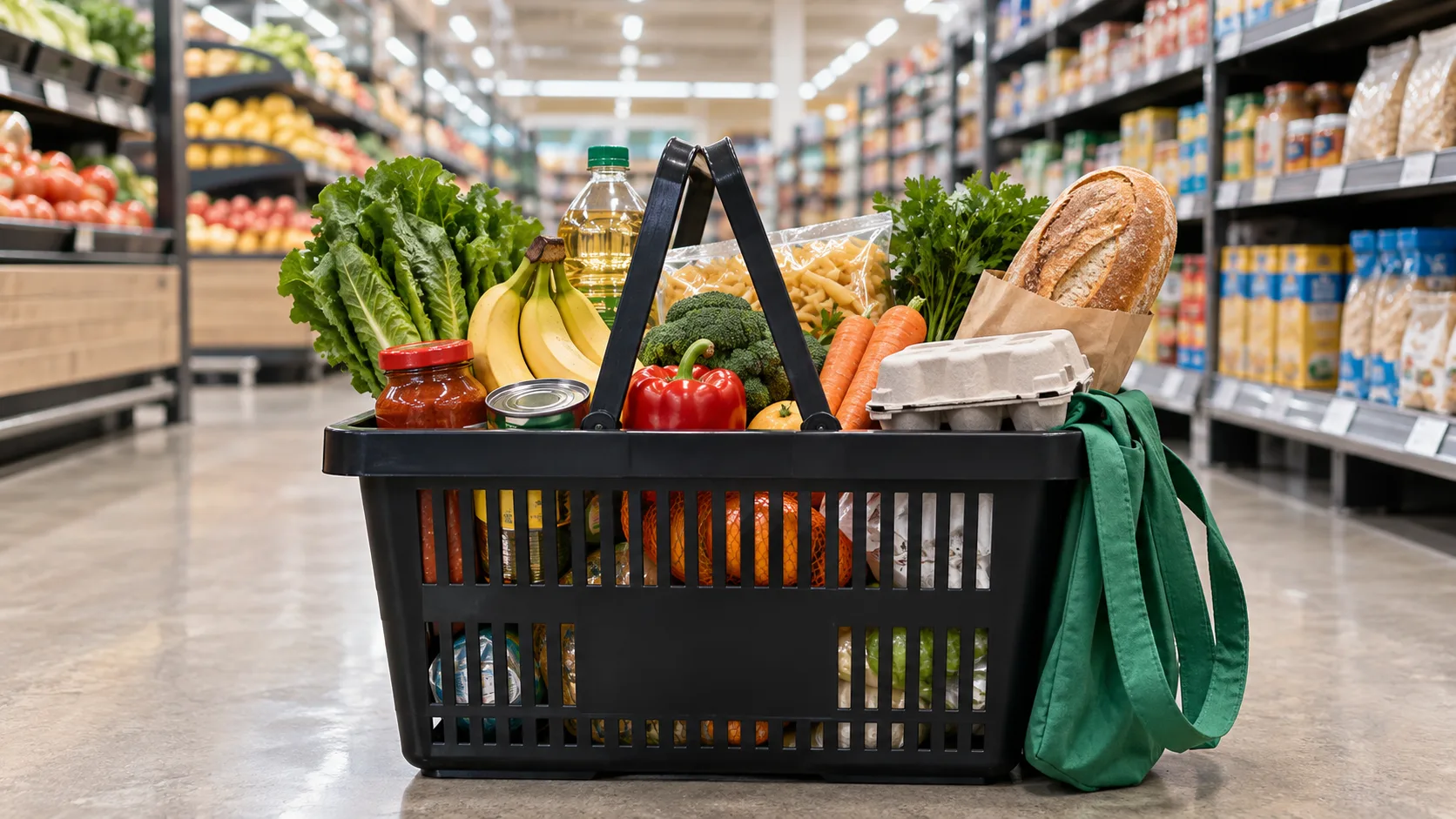
The refundable cart deposit encourages shoppers to return carts and reduces the labor needed to collect them. Insert a quarter to release a cart and recover it when the cart is connected again; local practice can vary. Bring reusable bags or expect to buy bags, and plan to bag purchases at the counter beyond the checkout. These small differences can surprise a first-time visitor but are straightforward once understood. Keeping a collapsible bag and a quarter in the car makes later trips routine.
Most shelf space is devoted to Aldi-exclusive brands, so comparing only package names misses the point. Read unit prices, net weight, ingredients, nutrition and preparation rather than assuming a private label is automatically cheaper or equivalent. Temporary promotions can make a national brand competitive, and package sizes may differ from another store. For staples bought often, keep a short reference list of ordinary unit prices. Savings come from the whole basket and lower waste, not winning every single item comparison.
Comparing private labels and judging fresh food
ALDI Finds are limited-time products that typically change weekly and may include food, kitchen goods, clothing or seasonal items. Availability differs by store and popular items can sell quickly. Treat the ad as notice of an expected promotion, not a reservation. Avoid buying an unfamiliar object solely because scarcity creates urgency. Check dimensions, warranty, return eligibility and whether the item solves a current need. A bargain that duplicates something at home or cannot be stored is still extra spending.
Fresh-food selection varies with store size and deliveries. Inspect produce, meat and dairy as at any retailer, check dates and choose package sizes the household can finish. Freezing meat, bread or prepared portions can make a low unit price useful. For substitutions in delivery or pickup, set preferences before checkout and review final weights and charges. Third-party service pricing and promotions can differ from in-store prices, so convenience should be compared using the final total.
Weekly finds, returns and the guarantee
Aldi’s U.S. “Twice as Nice Guarantee” applies to many Aldi-exclusive food products and generally combines a replacement with a refund, subject to exclusions and proof requirements. Nonfood, alcohol, national-brand and quality-related returns can follow different rules. Consult the current official policy and keep the receipt for the simplest process. A satisfaction promise does not replace product-recall instructions: if an item is recalled, match the identifiers and follow the notice for return, disposal and cleanup.
Build the list in layers: immovable needs, flexible ingredients and optional Finds. Shop the refrigerator and pantry first, then select meals that share perishable items. At checkout, inspect the receipt before leaving, particularly weighed products and digital discounts. At home, refrigerate perishables promptly and date leftovers. Aldi’s fast checkout and smaller assortment reward preparation, but browsing can still expand the basket. A spending limit for the Finds aisle protects the savings created elsewhere.
Shopping it well on the second visit
Bring your own bags and a quarter, and pack at the shelf behind the registers rather than at the belt — the checkout is built for throughput and the pace assumes you will move on. Loading the cart with heavy items at the bottom saves a second sort. None of this is signposted, which is why a first visit feels abrupt and a third does not.
Treat the middle aisle as a separate budget rather than part of the grocery list. Limited-time goods are priced attractively precisely because the decision has to be made on the spot, and they carry different return terms from food. If a non-food find matters, check the specification and warranty on the label before it goes in the cart; unlike the groceries, it will not be there next week if you decide to think it over.