What the live trend can tell us
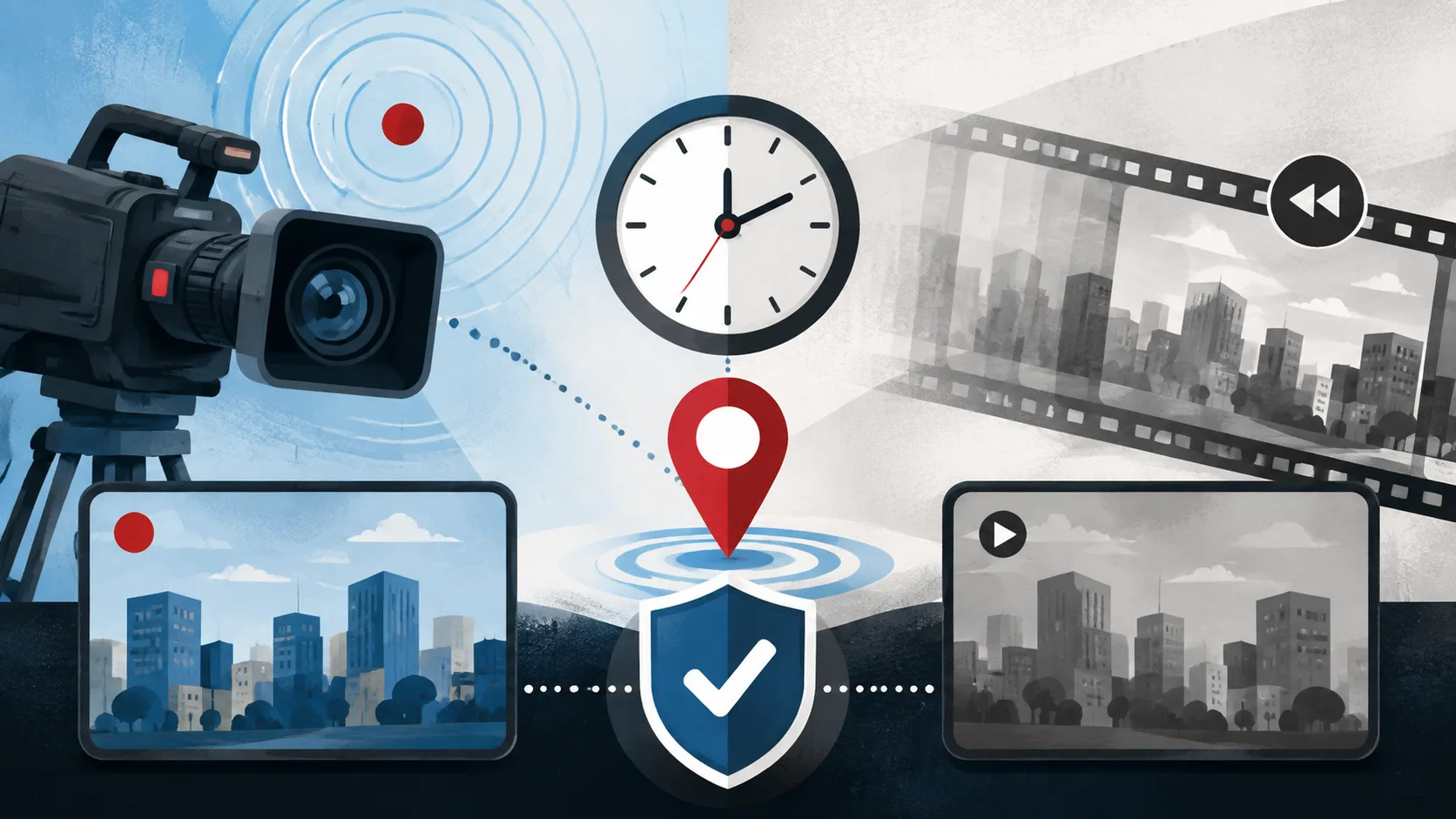
In practical terms for “live” in Arts & Entertainment: The term “live” ranked among the ten leading worldwide search queries in Google Trends’ Arts & Entertainment category for the past seven days. Trends measures relative search interest, not sentiment or a single shared intention, so the rank should be treated as a clue about attention rather than a claim about quality. “Live” can mean a real-time broadcast, a scheduled premiere of prerecorded material, a rolling news channel or a replay labeled with graphics from an earlier event. YouTube distinguishes live streams, which broadcast in real time, from Premieres, which let viewers watch a new video together at a scheduled moment. For casual entertainment, that distinction may be minor. For weather, emergencies, markets or public safety, it is crucial. Viewers should locate the platform timestamp, event date, broadcaster identity and any delay notice before treating the images as current.
For a source check for “live” in Arts & Entertainment: The first step is to translate the short query into a task. Are you navigating to an official service, trying to identify a work, comparing versions, looking for instructions or checking whether a clip is current? Write that task in one sentence. Add the medium, creator, date, language, country or desired action to the query. This small change gives a search system more context and gives the reader a standard for rejecting irrelevant results.
A source-first search method
Applied to this exact query for “live” in Arts & Entertainment: Open the description and channel page before sharing. Look for a clear location and compare the stream with the organization’s official website or another independent source. On long broadcasts, record the exact clock time of a claim. Disable or hide live chat when it distracts from the program, and never treat fast-moving comments as verified reporting. Use captions where available but confirm critical names and numbers. A useful source should say who is responsible for the information and what its limits are. Official help documentation is strongest for current product controls. Libraries, archives, rights agencies and regulators are better for catalog records, preservation, copyright or consumer protection. Reviews can help with taste, but their judgments should not be presented as technical facts.
For a careful comparison for “live” in Arts & Entertainment: Use a two-source check when the answer will be shared or acted upon. One source should be close to the subject: the platform, artist, studio, publisher or archive. The second should answer a different question, such as access, safety, classification, authenticity or rights. Agreement between two pages that copied the same press release is not independent confirmation. When sources conflict, compare publication dates, definitions and geographic scope before deciding that one is wrong.
Context, accessibility and safety
At the decision stage for “live” in Arts & Entertainment: Scammers reuse recorded footage, add urgent donation links or impersonate public figures in live streams. A “LIVE” graphic inside the video can be part of the recording rather than proof of current transmission. Do not send cryptocurrency, gift cards or credentials based on a stream, and report impersonation through the platform’s official controls. Screenshots are especially weak evidence because they can omit the address, timestamp and surrounding context. Preserve a direct URL when possible. If the material changes, note when it was viewed rather than silently converting a temporary observation into a timeless claim. Those habits matter even for entertainment because false credits, fake giveaways and manipulated clips travel through the same channels as harmless recommendations.
For safety and accuracy for “live” in Arts & Entertainment: Accessibility is part of a successful result, not an optional extra. Check for accurate captions, transcripts, audio description, readable contrast and keyboard or remote controls when they are needed. Automated tools can help but may mishandle proper nouns, lyrics and numbers. A platform’s official accessibility page can explain features, while the title page confirms whether a particular work offers them. Availability can differ by device, account and country, so verify on the setup that will actually be used.
When documenting the result for “live” in Arts & Entertainment: Privacy deserves a similarly practical check. Search and viewing activity may shape recommendations or be stored with an account. Shared televisions and family devices can mix several people’s histories. Use separate profiles where appropriate, review activity controls and sign out of temporary devices. Avoid installing unofficial extensions or players merely to reach a promised title or feature. If a site asks for payment or credentials unexpectedly, leave and return through a known official address.
Related reading
For readers following this topic for “live” in Arts & Entertainment: Two related Mainstream Spectrum guides accompany this page: “Netflix Search Guide: Finding Movies and Shows Beyond the Home Screen” and “Why “YouTube YouTube” Is Trending—and How to Search the Platform More Effectively.” Each answers a neighboring intent within Arts & Entertainment, and the links are included below as ordinary article routes. They provide context rather than proof for this page. The authoritative references remain the labeled external sources, which readers should open to confirm live settings, availability and policies after this article’s publication date.
The takeaway
Before taking action for “live” in Arts & Entertainment: The durable lesson behind “live” is that a tiny query becomes useful only after the user supplies purpose and context. Define the task, narrow the words, prefer a primary source, compare one independent authority and keep uncertainty visible. That sequence takes only a few minutes, yet it sharply improves the odds of finding the right title, tool, recording or live event without confusing popularity with reliability.