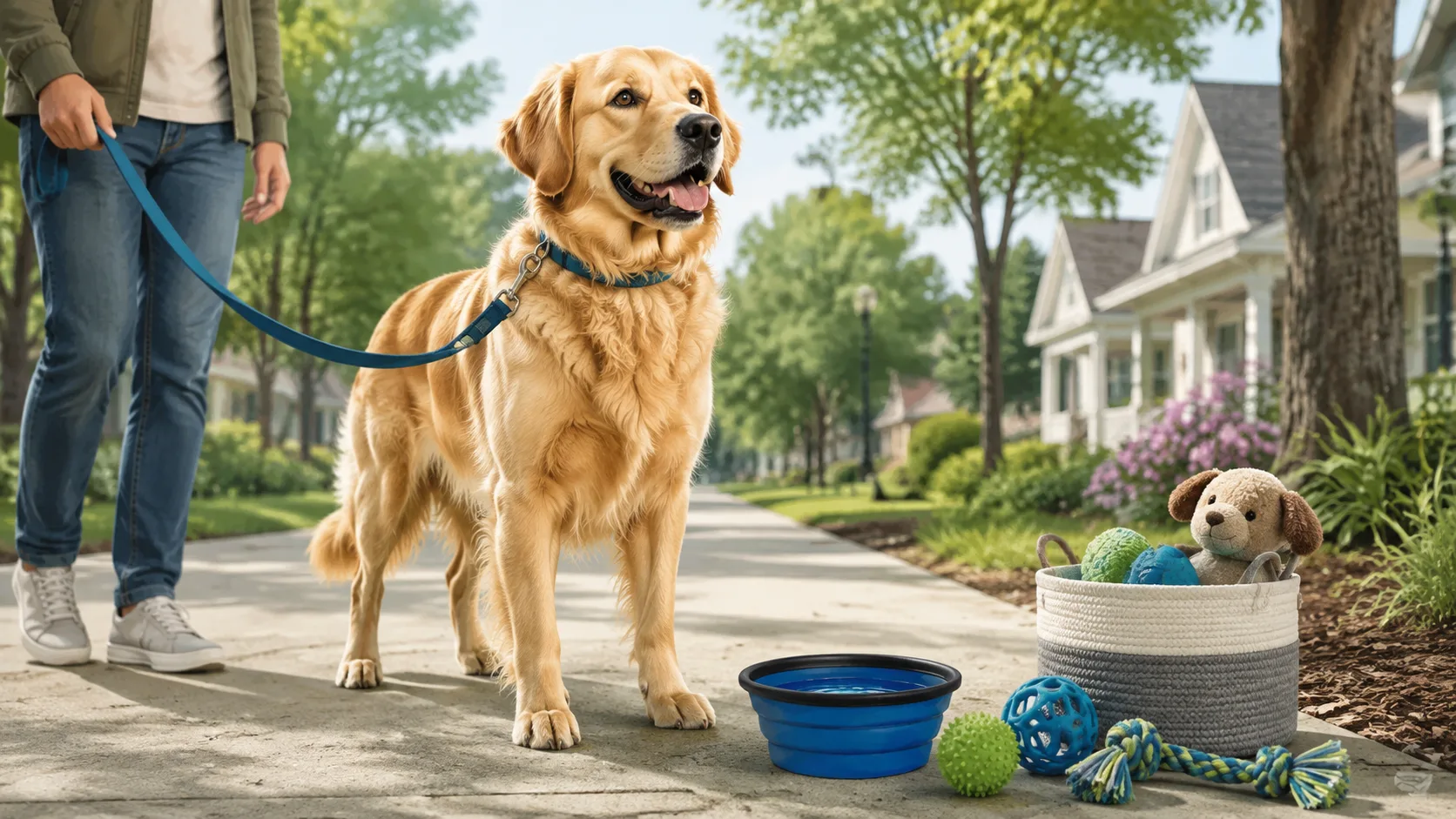
Start with the real need behind “dog”
dog is a broad search, but in the Pets & Animals category it points toward a practical question about a companion dog. The useful goal is to create a sustainable routine that supports physical health, predictable behavior and a secure relationship. Begin with the species and individual rather than a viral checklist. Age, reproductive status, medical history, body condition, environment and previous behavior can change what is appropriate. Advice that is sensible for a healthy adult dog may be dangerous for a kitten, reptile or animal receiving medication. This article offers a framework for preparation and observation, not a diagnosis or a substitute for care from a qualified veterinarian.
Good care is planned before a crisis. Identify a veterinary practice that treats the species, learn its after-hours arrangement and keep transport equipment accessible. Record food, medications, allergies, microchip information and emergency contacts. For an exotic pet, confirm that a nearby clinician actually sees that species. Budget for routine and unexpected care as well as housing, food and enrichment. The purchase or adoption cost can be the smallest part of the commitment. If an animal’s needs exceed the available time, space or expertise, postponing acquisition is a responsible decision. Apply this specifically to dog.
Build care around behavior and environment
The daily foundation is specific: provide measured complete food, fresh water, daily movement, sniffing opportunities, reward-based training, dental care and regular veterinary visits. Provide choices where possible—more than one resting location, a way to retreat from attention and enrichment that invites species-typical behavior. Predictability helps animals feel secure, but monotony is not enrichment. Rotate safe activities gradually and observe whether the animal approaches, avoids or becomes frustrated. Never force interaction for a photo. A calm animal can still need space, and a quiet animal can still be ill.
Environment includes the people and other animals in the home. Supervise children, teach gentle handling and give the pet a protected area where it will not be disturbed. Introductions should be slow, with physical separation and positive associations rather than forced contact. Clean bowls, bedding, habitats and tools on an appropriate schedule, but avoid strong fumes or abrupt removal of every familiar scent. Confirm that household plants, foods, pesticides, cleaners and medications are safe for the species and inaccessible when they are not. Apply this specifically to dog.
Observe trends, not isolated internet signs
Create a short baseline when the animal is well: normal appetite, water use, elimination, activity, posture, breathing and social behavior. Photos, weights and a simple calendar can reveal gradual change that memory misses. Watch trends in weight, appetite, stool, drinking, sleep, gait and willingness to participate. A meaningful change from the dog’s baseline matters more than an internet checklist. Contact a veterinarian when a meaningful change persists, recurs or arrives with pain, weakness or loss of normal function. Earlier discussion often gives the clinical team more options.
Online communities can help owners feel less alone and can supply useful questions, but anecdotes cannot establish cause or treatment. Two animals with similar-looking symptoms may have different problems. Check who wrote a resource, when it was updated and whether it cites veterinary or welfare standards. Product sellers and influencers may have conflicts of interest. Never change a prescription, dose a human drug, use an essential oil or impose a restrictive diet because a popular post says it worked for another animal. Apply this specifically to dog.
Know when the situation is urgent
exercise, calories and social exposure must fit age, body condition, breed traits, health and weather rather than a universal schedule. Call ahead so the clinic can prepare and give transport instructions. Keep the animal contained and minimize stress; do not risk a human bite or other injury while trying to help. For suspected poisoning, retain the label or photograph it, estimate the amount and time, and contact a veterinarian or recognized animal poison service. Do not wait for an online reply if breathing, consciousness or circulation may be compromised.
Emergency planning should fit the household. Put carriers where they can be reached, practice calm entry before they are needed and keep leashes or transport boxes in working condition. During extreme weather or evacuation, take medications, identification, food, water and husbandry equipment. Reptiles and fish may require temperature or power planning that mammal-focused checklists omit. A written plan is useful because people remember less under stress, and every family member should know who makes the call and where the animal goes. Apply this specifically to dog.
A humane, sustainable standard
Welfare is more than survival. Consider health, comfort, nutrition, the ability to perform important natural behaviors and the animal’s emotional experience. Look for repeated opportunities to choose, explore, rest and avoid conflict. Reward-based teaching can make grooming, examination and transport less frightening. Punishment may suppress a warning without resolving fear or pain, leaving a more dangerous situation. Ask a veterinarian for referral to a properly qualified behavior professional when a problem is severe or sudden. Apply this specifically to dog.
Review the care plan whenever the animal ages, moves, develops a condition or gains a new household companion. Keep reliable sources bookmarked and bring questions to appointments. The goal is not perfect ownership or constant monitoring; it is a pattern of informed decisions, early response and respect for the animal as an individual. Applied to dog, that means using online information to prepare, then grounding action in species-specific evidence, direct observation and a professional relationship that can account for the whole animal.